

Many people searching for the best attorneys in Mexicali live on the other side of the border, in Calexico or the Imperial Valley, and need help for a relative detained in Mexico. These five checks are written with that situation in mind.

1. Confirm the attorney is licensed in Mexico
A U.S. license does not allow anyone to defend a case in a Mexican criminal court. Mexican law requires a law degree and a cédula profesional (articles 115 and 116 of the National Code of Criminal Procedure). Search the attorney’s full name in the SEP National Registry of Professionals; it is free and public.
2. Ask whether the case is state or federal
Cases handled by the Baja California State Prosecutor (Fiscalía General del Estado) go to state courts. Weapons, customs and most drug-trafficking cases are federal and handled by the FGR. Ask which one applies and whether the attorney appears regularly before that court.
3. Check that you can communicate easily
Hearings are in Spanish and the detained person has the right to an interpreter (article 45 of the CNPP). For the family, though, an attorney who can explain each step in English avoids costly misunderstandings, especially by phone or video call from the U.S. side.
4. Make sure the consulate is informed
If the detained person is a foreign national, they have the right to consular assistance (article 151 of the CNPP). A good attorney works alongside the consulate rather than telling you it is unnecessary.
5. Get the fee and scope in writing
Ask for a written agreement listing what stages are covered, which expenses are extra and how payments from the U.S. will be documented. Avoid wire transfers to personal accounts without a contract.
Five questions to ask every firm
Once you have confirmed the license, the jurisdiction, and the basics of fees and communication, put the same five questions to every firm and compare the answers side by side.
1. “Who exactly will handle my case?” Get the name of the attorney who will be responsible and of whoever covers for them if they cannot attend a hearing. Check each name in the SEP National Registry of Professionals. A firm name on a proposal is not enough if you do not know who will walk into the courtroom.
2. “What happens if something urgent comes up at night or on a weekend?” Arrests often happen outside office hours. A firm should tell you how after-hours contact works, who answers, and how quickly they can get to the detained person.
3. “Have you represented anyone else involved in this case?” A responsible firm checks for conflicts of interest before taking a matter, for example if it already represents the victim or a co-defendant. Ask this before you share every detail.
4. “How do you charge, and what is not included?” You already need the fee and the scope in writing. Go one step further: ask whether the fee is per stage, a fixed amount, or hourly, and which costs are separate—expert witnesses, certified copies, translations, or travel. Ask for an invoice or receipt for every payment.
5. “How will you keep me informed?” Agree on how often you will receive updates, by what channel, and in which language. Families on the U.S. side of the border, in Calexico or the Imperial Valley, often need short written summaries they can share with relatives.
An option to evaluate
Justicia Transparente is a Mexican criminal defense firm with 15 years of experience, an office in Mexicali and service in English. Learn more on our criminal attorney in Mexicali page.
Related guides on this site: extradition from Mexico; a checkpoint detention; bringing drugs into Mexico; Mexican gun laws; the protocol for an arrest in Mexico.
The Mexican criminal process explained in English
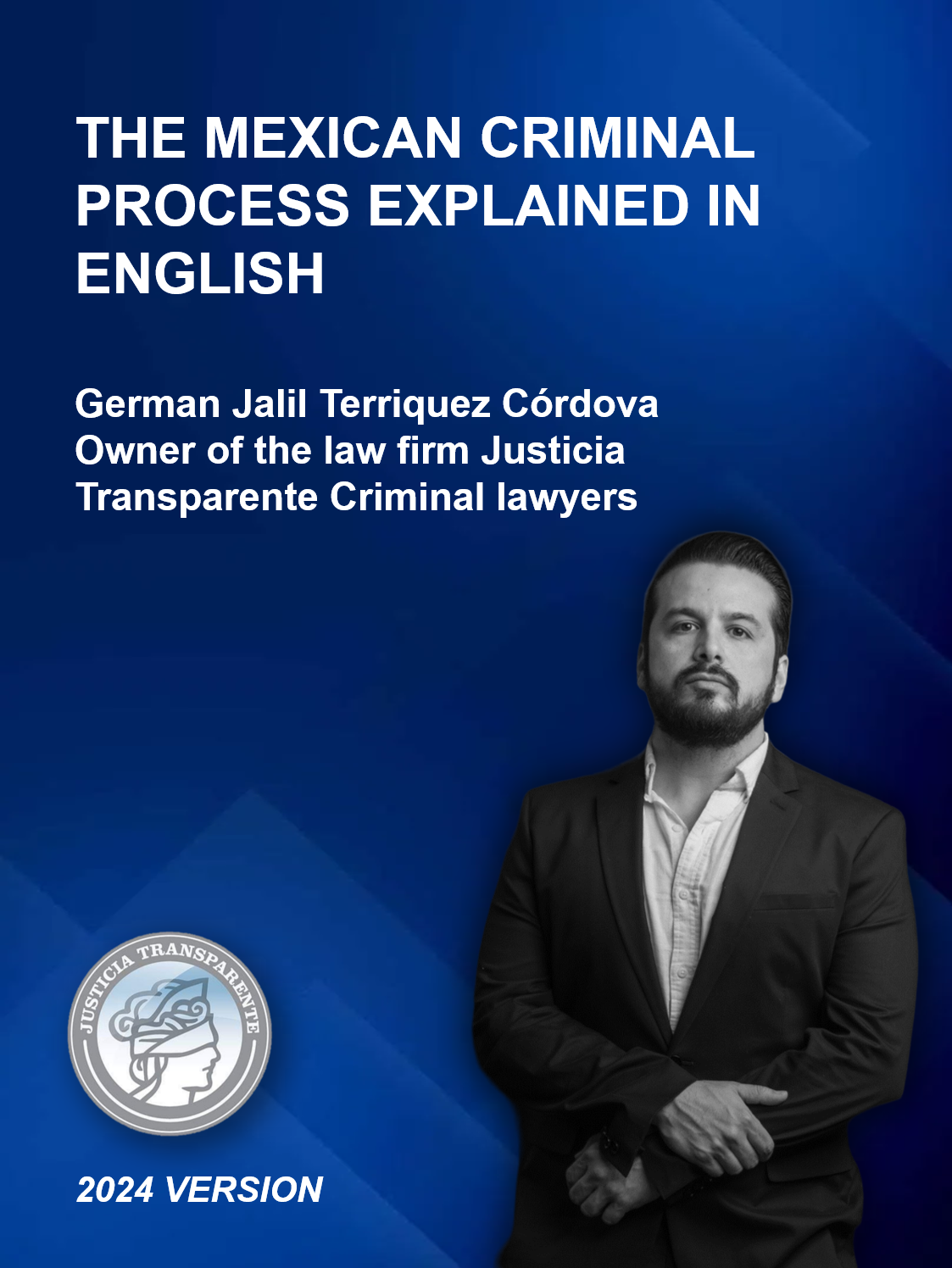
Facing Charges in México?.


Known as “the Transparent Attorney,” he founded Justicia Transparente, turning it into a nationally recognized firm for its results and leadership. The author of four books, he has demonstrated that in this field, experience and strategy make the difference.
Written and reviewed by Germán Jalil Terríquez Córdova, Esq. — Founder and Managing Director of Justicia Transparente. Mexican criminal defense attorney with 15 years of experience. Professional license (cédula profesional) No. 6691677 issued by Mexico’s Ministry of Education (SEP).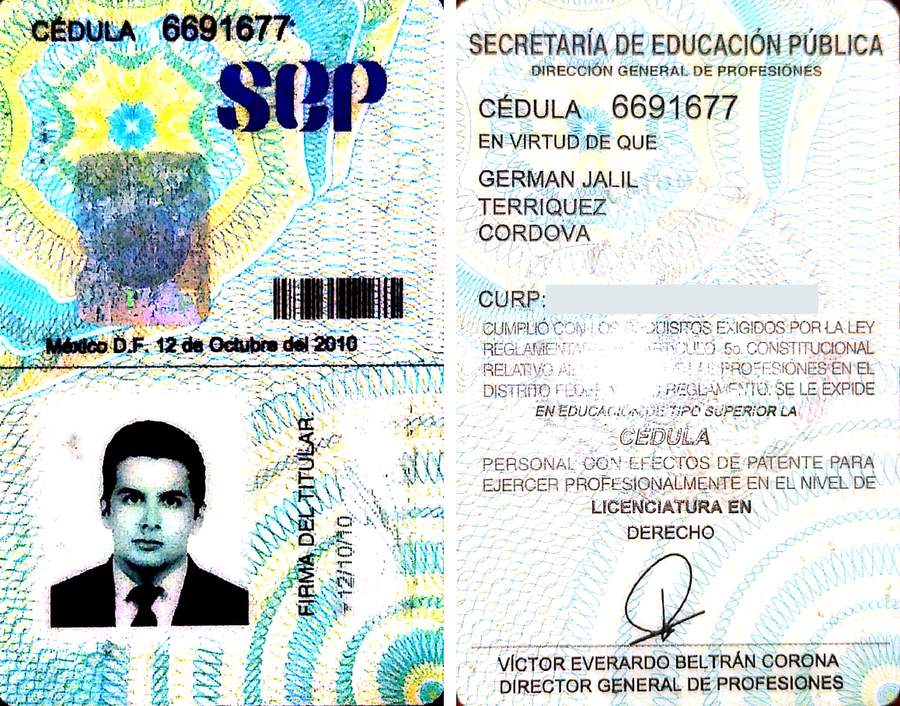
Check the attorney’s license here