Criminal defense in Cancún for travelers, foreign residents and their families
Most of the calls we get about Cancún come from outside Mexico: a parent in the U.S. whose son didn’t board his flight home, a Canadian couple stopped at the airport with cannabis gummies, or a visitor who learns weeks after a vacation that a complaint was filed against them. This page is written for them. It explains who handles a case in Cancún, what the first 48 hours look like, and what a family can do from abroad.
Who handles a case in Cancún
- State crimes (assault, theft, fraud, sexual offenses, small-scale drug dealing) are investigated by the Fiscalía de Distrito Norte of the Quintana Roo State Attorney General’s Office. It is based in Cancún and covers Benito Juárez, Isla Mujeres and Lázaro Cárdenas. Hearings take place at the state’s accusatory-system court building on Avenida Nichupté and Avenida México.
- Federal crimes (firearms and ammunition, drug importation, smuggling) are investigated by the FGR and heard at the Federal Criminal Justice Center in Quintana Roo, at Avenida Andrés Quintana Roo 245 in Cancún. Federal cases from Playa del Carmen, Tulum, Cozumel and Puerto Morelos are also heard there.
If your family member was arrested in Cancún
- Find out where they are held and whether the case is state or federal. That determines which prosecutor and which court will handle it.
- Know the clock: the prosecutor has up to 48 hours to bring the person before a judge or release them (article 16 of the Constitution). After the initial hearing, the judge has 72 hours, extendable to 144 at the defense’s request, to decide on charges (article 19).
- Gather proof of roots and identity: passport, proof of address, employment letters and a return ticket help when the judge decides on precautionary measures.
- Ask for consular notification: foreigners have the right to consular assistance (article 151 of the National Code of Criminal Procedure) and to an interpreter (article 45).
Airport cases: cannabis products, prescription pills and ammunition
What is legal at home may not be legal in Mexico. Only small amounts count as personal use under the General Health Law, for example 5 grams of marijuana (article 479), and products bought legally in a U.S. dispensary are still a problem when they cross the border. Bringing in cartridges or firearms that are not for exclusive military use without a permit carries 6 to 12 years in prison since the reform published on May 29, 2025 (article 84 Bis of the Federal Firearms and Explosives Law). The way the charge is classified at the first hearing can change the whole case.
Complaints filed after you went home
Some accusations, often sexual-assault complaints after a party, are filed when the visitor has already left Mexico. Ignoring them doesn’t make them disappear, and an arrest warrant can show up years later at a border or airport. A defense can be presented before the Ministerio Público without the client traveling, as in the real case below.
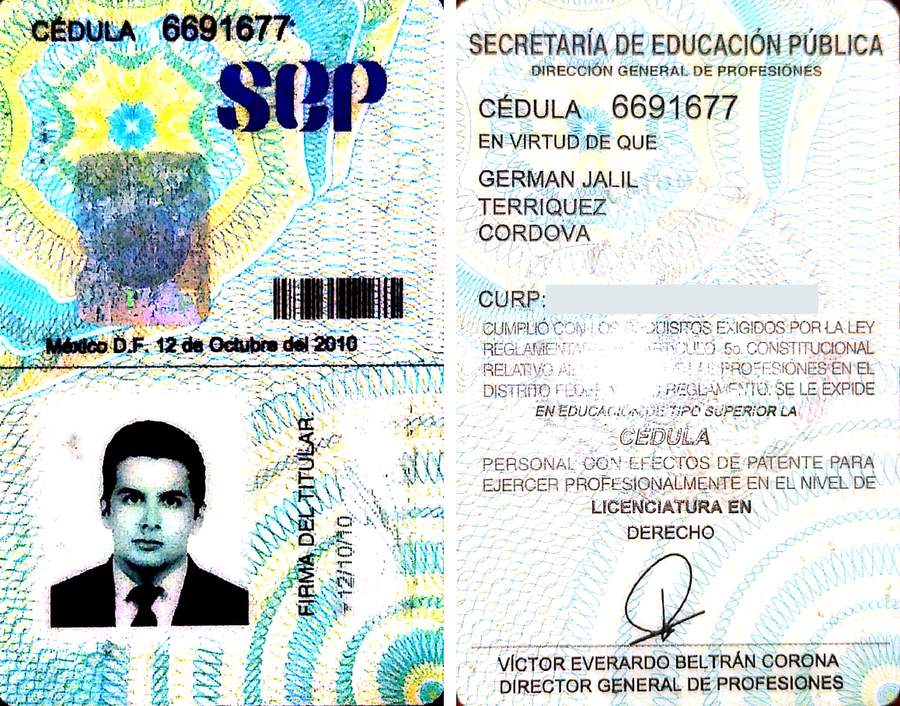
The firm is led by attorney Germán Terríquez Córdova, with 15 years of experience in criminal defense.
Real case in Cancún: rape accusation after spring break, case closed without trial
Some U.S. citizens who went to Cancún for spring break met some young women at a pool party. Later, already back in the United States, they learned that they had been accused of rape. They maintained from the beginning that the relationship was consensual and that at no time was there any pressure.
We conducted the defense investigation and demonstrated before the Ministerio Público that the facts did not constitute a crime. The case was closed with a decision not to prosecute (no ejercicio de la acción penal), the equivalent of a case dismissed. They were not arrested and did not have to return to Mexico to face a trial.
Every case is different. To protect confidentiality, we omit the details that would identify the clients.
Useful guides: arrests at Mexican airports; Mexican gun laws; Mexican drug laws; Cancún arrest warrant checks.
Frequently asked questions about criminal cases in Cancún
Can I hire you from the United States or Canada?
Yes. Most of our Cancún clients and their families contact us from abroad. We explain each step in English.
How do I know if there is a warrant or complaint against me in Cancún?
A lawyer can check with the prosecutor’s office and the courts whether there is an open investigation or an arrest warrant. See our guide to Cancún arrest warrant checks.
Will my case be heard in Cancún if I was arrested in Isla Mujeres?
The Fiscalía de Distrito Norte, based in Cancún, covers Isla Mujeres. Federal cases from the whole northern part of the state go to the federal court in Cancún.
Why Justicia Transparente in Cancún
- Defense in English and Spanish for tourists, foreign residents and dual nationals
- 24/7 response for arrests at the airport and in the Hotel Zone
- State and federal criminal defense throughout Quintana Roo
- Coordination with family abroad and with consulates
Rulings in favor of our firm
These are rulings from our firm whose English-language documents have already been reviewed and do not expose unredacted client personal data. The full list is on Successful Cases.
Written and reviewed by Germán Jalil Terríquez Córdova, Esq. — Founder and Managing Director of Justicia Transparente. Mexican criminal defense attorney with 15 years of experience. Professional license (cédula profesional) No. 6691677 issued by Mexico’s Ministry of Education (SEP).