


In Mexico, all people, regardless of their ethnic or national origin or immigration status, have the right to be guaranteed that in any administrative or judicial process in which they are involved, the essential formalities are complied with and are bound by law, based on the constitutional and international guidelines.
According to our Mexican constitution, based on articles 1 and 16, they establish the rights of foreigners, which are expressed as follows:
Article 1. In the United Mexican States, all people will enjoy the human rights recognized in this Constitution, therefore, all authorities, within the scope of their powers, have the obligation to promote, respect, protect and guarantee the human rights of conformity with the principles of universality, interdependence, indivisibility and progressivity. Consequently, the State must prevent, investigate, punish and repair human rights violations, in the terms established by law.
Article 16. No one may be disturbed in his person, family, domicile, papers or possessions, except by virtue of a written order from the competent authority, which establishes and motivates the legal cause of the procedure. In the trials and procedures followed in the form of a trial in which orality is established as a rule, it will be enough for them to be recorded in any medium that gives certainty of their content and of compliance with the provisions of this paragraph.
An arrest warrant may not be issued except by the judicial authority and without preceding a complaint or complaint of an act that the law designates as a crime, punishable by imprisonment and obtaining data that establishes that this act has been committed and that the probability exists. that the accused committed it or participated in its commission.
Related guides: arrested in Mexico: what happens and what to do next; U.S. citizen arrested in Mexico.
The Mexican criminal process explained in English
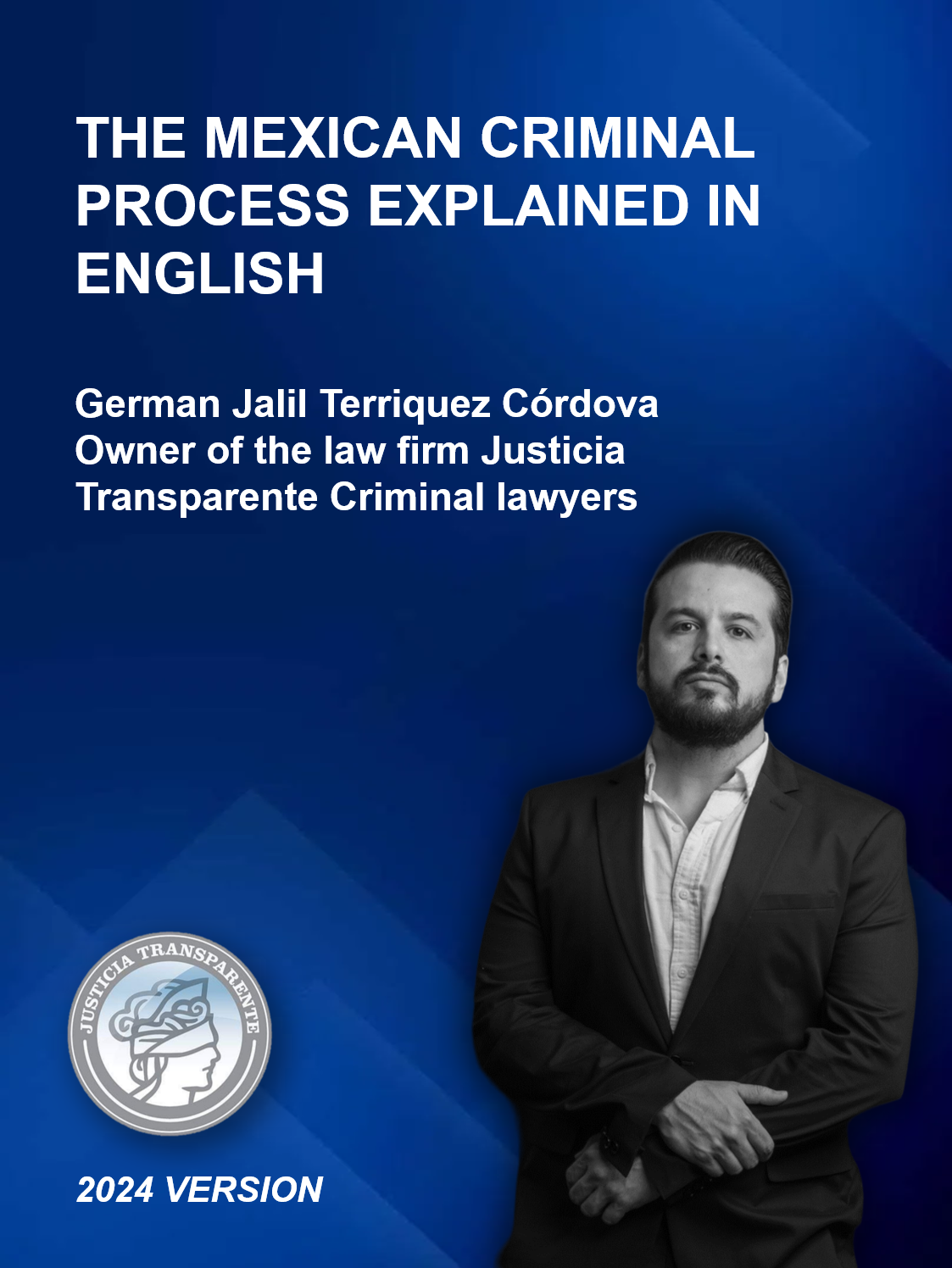
Facing Charges in México?.


Known as “the Transparent Attorney,” he founded Justicia Transparente, turning it into a nationally recognized firm for its results and leadership. The author of four books, he has demonstrated that in this field, experience and strategy make the difference.
Written and reviewed by Germán Jalil Terríquez Córdova, Esq. — Founder and Managing Director of Justicia Transparente. Mexican criminal defense attorney with 15 years of experience. Professional license (cédula profesional) No. 6691677 issued by Mexico’s Ministry of Education (SEP).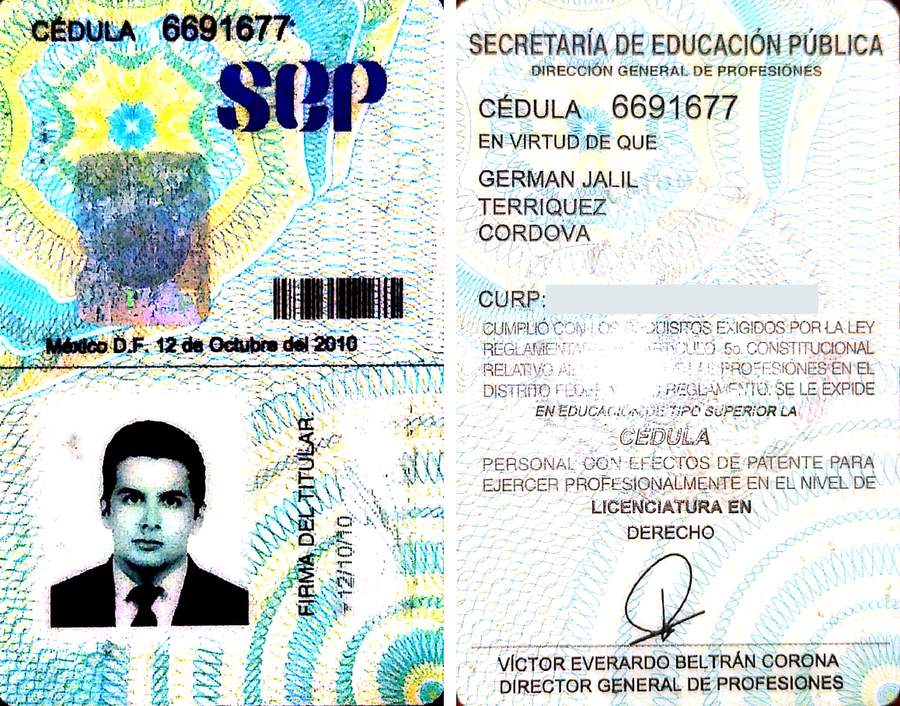
Check the attorney’s license here