

When families ask who is the best criminal lawyer in Tijuana, they are often under pressure, which is exactly when mistakes happen. This guide focuses on the red flags that should make you stop and think before hiring anyone.

Red flag 1: No verifiable license
If someone cannot give you a full name and a cédula profesional you can find in the SEP National Registry of Professionals, do not hire them. Defense counsel in Mexico must be a licensed lawyer.
Red flag 2: Guaranteed outcomes
No one can guarantee a release or an acquittal. Claims about “knowing the judge” or “fixing” a case are not only false; they can expose the family to further legal trouble.
Red flag 3: Urgent phone calls asking for money
A common scam is a call from someone pretending to be a police officer, a prosecutor or a lawyer, demanding an immediate deposit to release a relative. Hang up and verify through the consulate, the detention registry or a lawyer you contacted yourself.
Red flag 4: Cash only, no contract
A legitimate lawyer gives you a written agreement, a breakdown of fees and receipts.
Red flag 5: Advice to ignore the process
Telling a detained person to “just explain everything” to the prosecutor without counsel, or telling you to ignore a court notice, is bad advice. Detained people have the right to remain silent and to talk privately with their lawyer first (article 113 of the CNPP).
What you can verify before you hire
The red flags above tell you when to walk away. These four checks help you compare candidates who pass that first filter. Do them before you pay a retainer.
Verify the license. Start with the lawyer’s full name and cédula profesional in the SEP National Registry of Professionals, as described in the first red flag. A name you cannot find there is reason to stop, not to keep negotiating.
Verify the focus. Ask what share of the practice is criminal defense and which hearings the lawyer attended recently. You want someone who is in criminal court on a regular basis, not a general practitioner who takes a criminal file from time to time.
Verify the jurisdiction. Ask whether your matter belongs to the Baja California State Prosecutor (Fiscalía General del Estado) or to the federal prosecutor (FGR), and whether the lawyer actually appears in that system. A lawyer who works only in state court may not be the right fit for a federal weapons, customs, or drug case, and the reverse is also true.
Verify the contact. Look for a physical office or a verifiable firm, a clear way to reach the lawyer outside office hours, and an agreement on how often you will get updates. If those three points are vague, the relationship will be vague once the case is underway.
A firm you can verify
Justicia Transparente is a criminal defense firm with 15 years of experience and bilingual service in Tijuana. Check our details on our criminal attorney in Tijuana page.
The Mexican criminal process explained in English
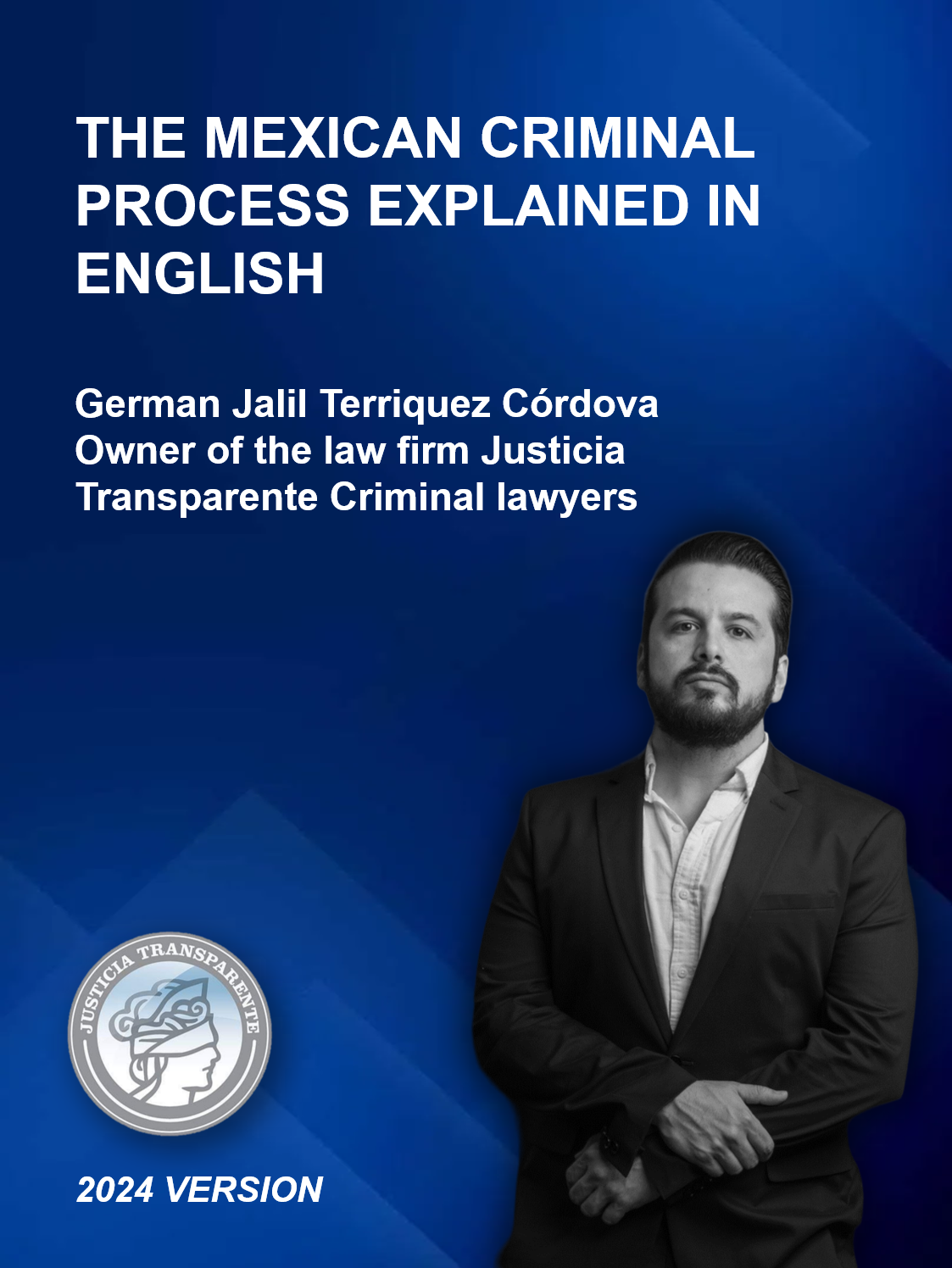
Facing Charges in México?.


Known as “the Transparent Attorney,” he founded Justicia Transparente, turning it into a nationally recognized firm for its results and leadership. The author of four books, he has demonstrated that in this field, experience and strategy make the difference.
Written and reviewed by Germán Jalil Terríquez Córdova, Esq. — Founder and Managing Director of Justicia Transparente. Mexican criminal defense attorney with 15 years of experience. Professional license (cédula profesional) No. 6691677 issued by Mexico’s Ministry of Education (SEP).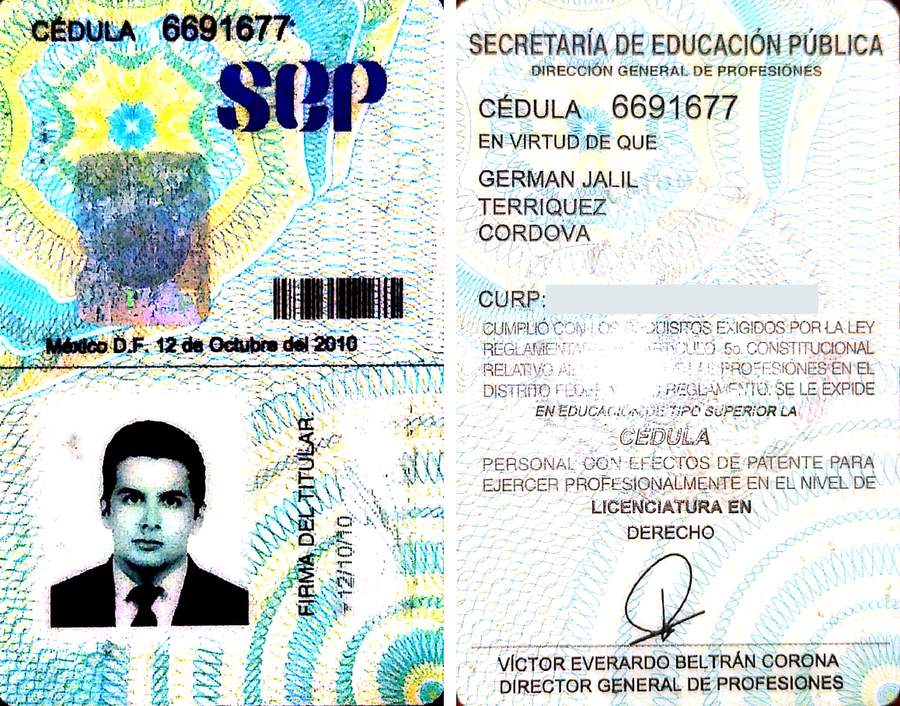
Check the attorney’s license here