
DUI Laws in Mexico for Foreigners
DUI Laws in Mexico for Foreigners? Driving under the influence (DUI) is taken seriously in Mexico, just as it is in the United States. However, the legal structure, enforcement, and consequences can be very different—especially for U.S. citizens traveling or living in Mexico.
Many Americans assume DUI laws work the same everywhere. That assumption can lead to serious legal trouble.
If you plan to drive in Mexico, especially in border cities like Tijuana or tourist areas, understanding DUI laws is critical.
Legal Framework: How DUI Is Regulated in Mexico
Unlike the United States, where DUI laws are handled at the state level, Mexico regulates DUI through a combination of:
Accused a relative of a crime in Mexico? Do you need to know if it is a crime to bring weapons into Mexico? Do you need to know if it is a crime to bring marijuana into Mexico? The prosecutor is accusing me of having committed a crime that I did not commit? Has your loved one been in jail in Mexico for years?
If you are in one of these situations, hire an online consultation.
Do you want to avoid an arrest warrant against you in Mexico?
- State laws (Código Penal Estatal)
- Municipal regulations
- Administrative enforcement rules
- Federal procedure under the Código Nacional de Procedimientos Penales (CNPP) (if it becomes a crime)
This means:
👉 DUI enforcement can vary slightly depending on the city
👉 But consequences can escalate quickly if harm occurs
Visit our online store
One of our products can help you
Blood Alcohol Limits (BAC) in Mexico
Mexico does use BAC (blood alcohol concentration) limits similar to the United States.
🇺🇸 United States (example: California)
- Legal limit: 0.08%
🇲🇽 Mexico (varies by region but typically):
- Around 0.08% for general drivers
- Lower limits for:
- Commercial drivers
- Public transport drivers
However, here’s the key difference:
In Mexico, police rely heavily on checkpoints and immediate enforcement, not just BAC numbers.
Sobriety Checkpoints in Mexico
One of the most common ways DUI is enforced in Mexico is through sobriety checkpoints, often called:
“Alcoholímetros”
These checkpoints are:
- Permanent in some cities (like Mexico City)
- Random in border zones (like Tijuana or Mexicali)
- Frequently set up at night and on weekends
What happens at a checkpoint?
- You are stopped by police
- Asked basic questions
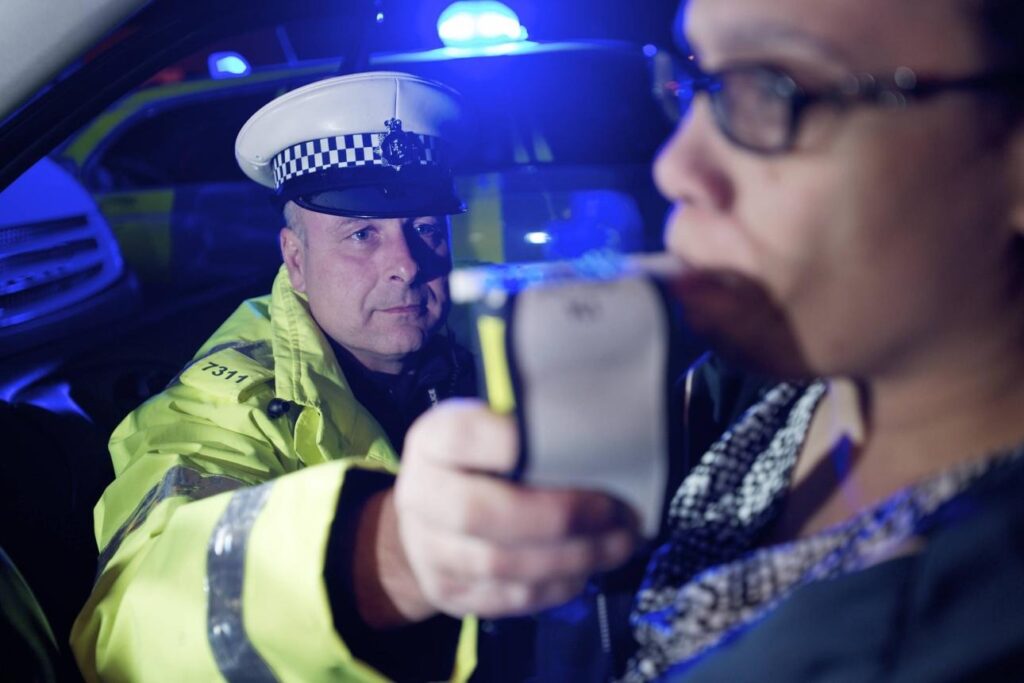
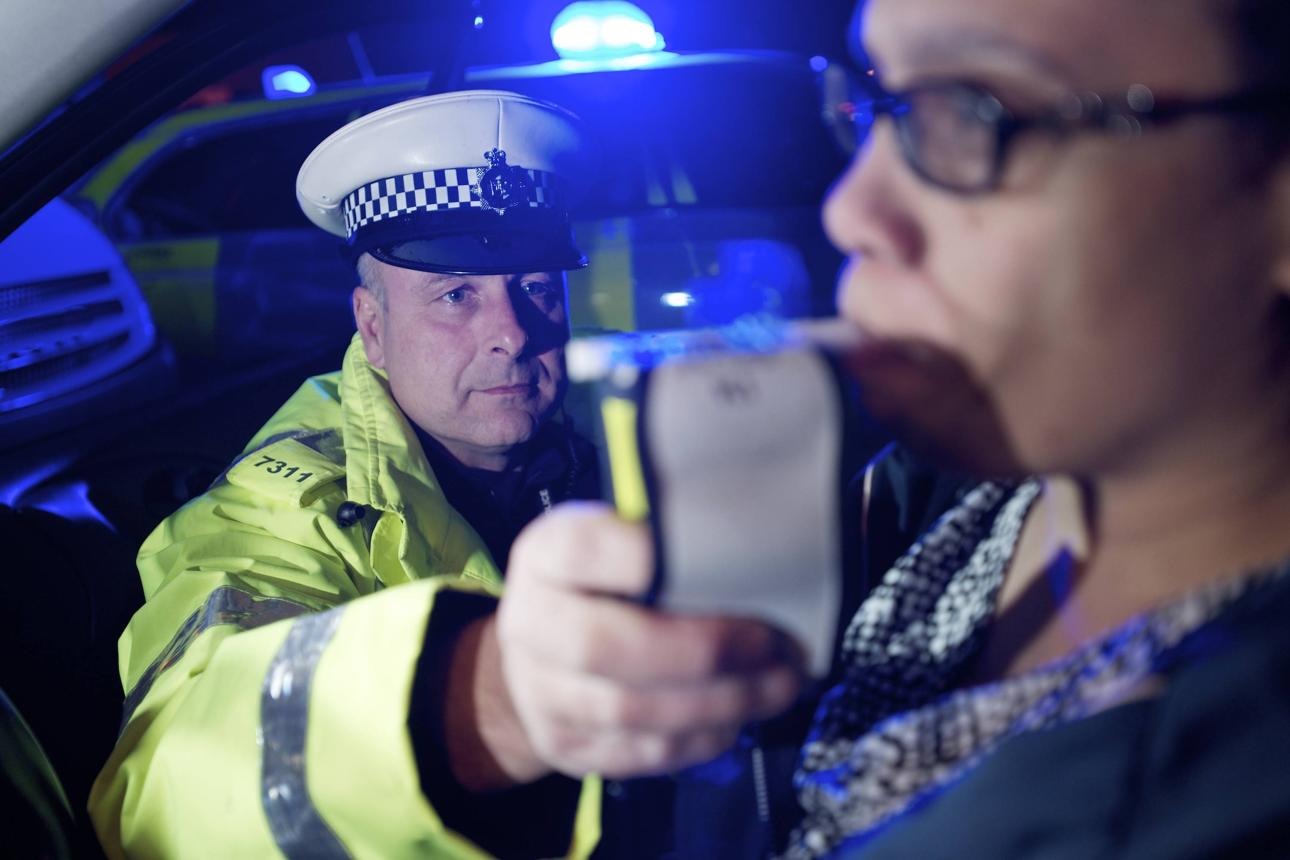
- May be asked to take a breathalyzer test
If you fail:
- You may be detained immediately
- Your vehicle can be impounded
Unlike in the U.S., refusal can also lead to consequences.
Administrative DUI vs Criminal DUI in Mexico
This is where many Americans get confused.
1. Administrative DUI (most common)
If you:
- Fail a breathalyzer
- Are driving under the influence
- But cause NO accident or harm
You may face:
- Fines
- Temporary detention (often 12–36 hours)
- Vehicle impoundment
👉 This is similar to a misdemeanor DUI in the U.S.
2. Criminal DUI (serious situation)
If you:
- Cause an accident
- Injure someone
- Damage property
- Or drive dangerously
Then the case can escalate into a criminal offense.
Under Mexican criminal law, this can be prosecuted as:
- Negligent injury (lesiones culposas)
- Negligent homicide (homicidio culposo)
At this point:
The case falls under the Código Nacional de Procedimientos Penales (CNPP)
What Happens If DUI Becomes a Criminal Case?
If your DUI escalates to a criminal offense:
- You may be detained
- Presented before a judge within 48 hours (Article 16 Constitution)
- Prosecutors will evaluate the case
At the Initial Hearing, the judge decides:
- If the arrest was legal
- If there is enough evidence
- If the case continues
This is similar to a probable cause hearing in the U.S.
Can You Go to Jail for DUI in Mexico?
Yes—but it depends on the situation.
You may NOT go to jail if:
- It’s a simple administrative DUI
- No harm occurred
You MAY go to jail if:
- There are injuries
- Someone dies
- There is serious property damage
In serious cases, jail time is very possible.
Immigration Consequences for Foreigners
One major difference from the U.S.:
👉 DUI in Mexico can affect your immigration status.
Possible consequences include:
- Fines and release
- Criminal record in Mexico
- Restrictions on future entry
- In severe cases, deportation
This is especially true if the DUI becomes a criminal offense.
🇺🇸 U.S. vs Mexico: Key Differences
| Topic | United States | Mexico |
| Law structure | State-based | Mixed (state + federal procedure) |
| BAC limit | 0.08% standard | Similar but strict enforcement |
| Bail | Common | Not always available |
| Checkpoints | Limited legality | Very common |
| Intent | Important | Less relevant |
| Consequences | Often fines | Can escalate quickly |
Biggest Mistakes Americans Make
Many DUI arrests in Mexico happen because of:
- Assuming “one or two drinks is fine”
- Not understanding checkpoints
- Thinking U.S. law applies
- Refusing breath tests
- Driving in tourist areas at night
- The biggest mistake: underestimating enforcement
Practical Advice for U.S. Travelers
If you plan to drive in Mexico:
Do:
- Use Uber or taxis after drinking
- Assume checkpoints are active
- Follow local traffic rules strictly
Don’t:
- Drink and drive—even slightly
- Refuse police instructions
- Assume “I’ll be fine like in the U.S.”
⚖️ What to Do If You Are Detained for DUI
If stopped or arrested:
- Stay calm
- Do not argue with police
- Request a lawyer
- Contact the U.S. Consulate
- Do not sign documents without understanding them
Legal representation can change the outcome significantly.
DUI laws in Mexico are strict, actively enforced, and can escalate quickly from administrative issues to serious criminal cases.
The most important takeaway:
Driving after drinking in Mexico carries higher risk than in many parts of the United States.
Understanding the law—and respecting it—can prevent serious legal consequences.
Legal Help for Americans in Mexico
At Justicia Transparente, we assist U.S. citizens facing:
- DUI arrests
- Criminal charges
- Border-related legal issues
We understand both systems and help clients navigate the Mexican legal process effectively.
The Mexican criminal process explained in English

Facing Charges in México?.