
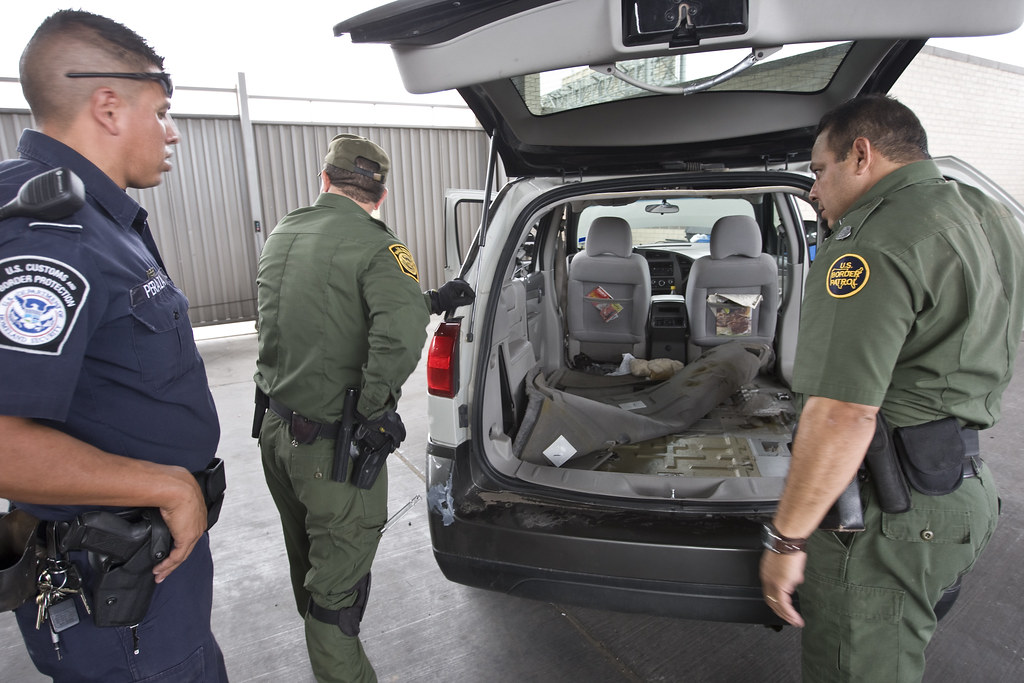
Can You Bring a Gun Into Mexico? For many Americans—especially those from states like California, Texas, or Arizona—carrying a firearm is part of everyday life. Whether for personal protection, sport, or habit, guns are legally owned by millions of U.S. citizens.
But once you cross into Mexico, everything changes.
One of the most dangerous legal mistakes American travelers make is assuming that U.S. gun laws follow them across the border. They don’t.
If you are asking:
Accused a relative of a crime in Mexico? Do you need to know if it is a crime to bring weapons into Mexico? Do you need to know if it is a crime to bring marijuana into Mexico? The prosecutor is accusing me of having committed a crime that I did not commit? Has your loved one been in jail in Mexico for years?
If you are in one of these situations, hire an online consultation.
Do you want to avoid an arrest warrant against you in Mexico?
“Can I bring my gun into Mexico?”
The answer is clear:
Visit our online store
One of our products can help you
🚨 No—unless you have very specific authorization for the mexican government, which is extremely rare.
Understanding this difference can literally mean the difference between a normal trip and a federal criminal case in Mexico.
Mexican Gun Laws vs. U.S. Gun Rights
To understand the risk, you first need to understand how different the two systems are.
🇺🇸 United States
In the U.S., the Second Amendment protects the right to keep and bear arms. While regulations vary by state, Americans are often allowed to:
- Own firearms
- Carry firearms (open or concealed depending on the state)
- Transport firearms legally
🇲🇽 Mexico
Mexico takes a completely different approach.
Firearms are regulated under:
- Article 10 of the Mexican Constitution
- Ley Federal de Armas de Fuego y Explosivos
Article 10 allows firearm possession only under strict regulation by the government.
In reality, this means:
- Firearms must be registered with SEDENA (Mexican military)
- Only limited calibers are allowed for civilians
- Carrying a firearm outside the home is highly restricted
- Military-grade weapons are completely prohibited
Unlike the U.S., gun ownership is not a broad constitutional right—it is a controlled privilege.
Crimes Under Mexican Federal Firearms Law (Articles 81–87 Quintus)
Article 81 – Illegal Import, Manufacture, and Trade of Firearms
English Translation (Simplified Legal Version):
Any person who, without proper authorization:
- Imports firearms, ammunition, cartridges, explosives, or related materials into Mexico
- Manufactures firearms or ammunition
- Trades, distributes, or stores firearms or explosives
commits a federal crime.
👉 This includes bringing weapons across the border without permits.
U.S. Comparison:
Similar to federal firearms trafficking offenses under U.S. law, but Mexico enforces stricter control and fewer exceptions.
Article 82 – Illegal Possession of Firearms Reserved for the Military
English Translation:
Any person who possesses firearms, ammunition, or equipment that are exclusively reserved for the Mexican Armed Forces commits a criminal offense.
This includes:
- High-caliber weapons
- Automatic weapons
- Military-use ammunition
👉 Even possession alone is enough to trigger criminal liability.
U.S. Comparison:
Comparable to possession of prohibited weapons (e.g., machine guns) under U.S. federal law—but Mexico applies broader restrictions.
Article 83 – Illegal Possession of Firearms Without License
English Translation:
Any person who possesses firearms without the required legal authorization or registration issued by the Mexican government commits a crime.
👉 This applies even to weapons that may be legal in the United States.
Key Point:
- Registration with SEDENA is mandatory in Mexico.
Article 83 Bis – Carrying Firearms Without Authorization
English Translation:
Any individual who carries a firearm outside their home without the proper permit commits a criminal offense.
👉 Even if the firearm is legally registered, carrying it publicly without authorization is illegal.
U.S. Comparison:
Unlike U.S. concealed carry laws, Mexico generally prohibits public carry without rare permits.
Article 83 Ter – Possession of Ammunition Without Authorization
English Translation:
Any person who possesses ammunition without proper authorization commits a criminal offense.
👉 This includes:
- Loose ammunition
- Ammunition without a corresponding registered firearm
⚠️ Even a single bullet can lead to criminal charges.
Article 83 Quáter – Possession of Magazines or Tactical Accessories
English Translation:
Any person who possesses magazines, accessories, or tactical equipment intended for exclusive military use without authorization commits a crime.
👉 This includes:
- High-capacity magazines
- Tactical weapon accessories
Article 83 Quintus – Aggravated Firearm Offenses
English Translation:
Penalties increase when firearm-related crimes involve:
- Organized crime participation
- Repeated offenses
- Use of firearms in the commission of other crimes
- Possession of multiple prohibited weapons
👉 These aggravating factors can significantly increase prison sentences.
Article 84 – Illegal Storage or Stockpiling
English Translation:
Any person who stores or accumulates firearms, ammunition, or explosives without authorization commits a criminal offense.
👉 This includes:
- Keeping weapons in homes, vehicles, or warehouses without legal permits
Article 85 – Transfer or Sale Without Authorization
English Translation:
Any individual who transfers, sells, or distributes firearms without authorization commits a crime.
👉 Even giving a weapon to another person can be illegal.
Article 86 – Use of Firearms in the Commission of Crimes
English Translation:
If a firearm is used to commit another crime, penalties increase significantly.
👉 This includes:
- Robbery with a firearm
- Assault with a firearm
Article 87 – Unauthorized Use of Explosives
English Translation:
Any person who manufactures, stores, transports, or uses explosives without authorization commits a criminal offense.
Article 87 Bis – Explosives with Criminal Intent
English Translation:
Penalties increase when explosives are used with intent to:
- Cause harm
- Intimidate
- Damage property
Article 87 Ter – Illegal Transportation of Weapons or Explosives
English Translation:
Transporting firearms, ammunition, or explosives without authorization constitutes a crime.
👉 This is especially relevant for:
- Border crossings
- Vehicle transport
Article 87 Quáter – Weapons Linked to Organized Crime
English Translation:
If firearms or explosives are connected to organized crime, penalties increase significantly.
Article 87 Quintus – Aggravated Penalties in Federal Context
English Translation:
Enhanced penalties apply when:
- Crimes involve federal jurisdiction
- Weapons are used in coordinated criminal activity
- The offense impacts public security
Can You Bring a Gun Into Mexico (tourists)?
For American tourists, the rule is simple:
👉 You cannot legally bring a firearm into Mexico without prior authorization.
Permits are:
- Rare
- Difficult to obtain
- Typically limited to hunting or official use
Even if you legally own the gun in the United States:
That does NOT make it legal in Mexico
That does NOT protect you from prosecution
Legal Advice: What to Do If You Reach the Border With a Firearm Going Into Mexico
If you are a U.S. citizen and you are in line to enter Mexico, you need to understand one critical point:
Bringing a firearm into Mexico is a serious federal crime.
Mexican law (Federal Law of Firearms and Explosives) imposes severe penalties, including prison, even if you “forgot” the weapon was in your vehicle.
SCENARIO 1: You Are Still on the U.S. Side
If you realize before crossing:
DO NOT proceed into Mexico
Immediately contact an officer from U.S. Customs and Border Protection
Clearly state:
“I just realized I have a firearm. I do NOT want to enter Mexico.”
Key point:
Your intention is not to cross, which can help you avoid serious legal consequences.
SCENARIO 2: You Are Already in the Line (Border Zone)
If you are already in line and close to crossing:
✔️ Try to get the attention of a U.S. officer
✔️ Do not voluntarily advance into Mexico
✔️ Explain that this was an honest mistake
The sooner you report it, the better your legal position.
SCENARIO 3: You Cannot Turn Back (Critical Point)
If there is no way to exit the line:
✔️ Enter the “declaration lane”
✔️ When speaking to Mexican authorities, say:
“I do not intend to enter Mexico. I just realized I have a firearm and I want to return to the United States.”
✔️ Fully cooperate
✔️ Do NOT hide anything
CRITICAL MISTAKE (What You Should NEVER Do)
❌ Do not hide the firearm
❌ Do not lie
❌ Do not fail to declare
❌ Do not “take the chance” and try to cross
👉 This can lead to:
- Immediate arrest
- Pretrial detention in Mexico
- Criminal prosecution
- Serious immigration consequences
Under Mexican criminal law, your situation may be evaluated based on:
- Intent (mens rea)
- Spontaneous declaration
- Lack of intent to introduce the weapon into Mexico
👉 Voluntarily declaring the firearm can significantly strengthen your legal defense.
If you are heading into Mexico and realize you have a firearm:
👉 Do NOT cross
👉 Ask CBP for help immediately
👉 Declare the situation if necessary
Because in Mexico… this is not a mistake —
this is a federal crime.
What Happens If You Cross the Border With a Gun?
This is where things get serious.
Every year, Americans are arrested at:
- San Ysidro (Tijuana border)
- Otay Mesa
- Mexicali crossings
- Airports
The most common situation?
“I forgot it was in my car.”
Examples include:
- Gun left in glove compartment
- Firearm in center console
- Ammo in backpack or suitcase
- Weapon stored under a seat
Mexican law does not treat this as a small mistake.
Legal Consequences Under Mexican Law
If a firearm is discovered, you may face charges under:
- Ley Federal de Armas de Fuego y Explosivos
- Código Penal Federal
These are federal crimes, meaning:
- You will likely be prosecuted by the Fiscalía General de la República (FGR)
- Your case will go to federal court
Possible consequences include:
- Immediate detention
- Criminal charges for illegal possession or importation
- Preventive detention (mandatory jail before trial) under Article 19 of the Mexican Constitution
- Prison sentences (often several years)
This is very different from the U.S., where accidental possession may sometimes be treated more leniently.
In Mexico, possession alone is enough.
Why Intent Does NOT Protect You
In the United States, intent often matters.
For example:
- “I didn’t know it was there”
- “I forgot”
These arguments can sometimes help.
In Mexico?
Intent is not the main issue—possession is.
If authorities find a firearm:
- You can be charged
- You can be detained
- You can face a criminal process
Even if:
- You never used the weapon
- You had no criminal intent
- You legally owned it in the U.S.
ederal Jurisdiction: Why These Cases Are So Serious
Gun crimes in Mexico are often considered federal offenses.
This means:
- The case is handled by federal prosecutors
- The penalties are more severe
- The process is more complex
It is similar to federal gun charges in the U.S., but often:
Mexico applies stricter detention rules and less flexibility before trial
Preventive Detention: The Biggest Risk
One of the biggest shocks for Americans is this:
You may not be released while your case is pending.
Under Article 19 of the Mexican Constitution, certain crimes trigger automatic preventive detention, including many firearm offenses.
This means:
- You stay in jail during the investigation
- You do NOT get bail like in the U.S.
- Your case may take months
Practical Advice for Americans Traveling to Mexico
If you are planning to cross into Mexico, follow these rules:
Before crossing:
- Check your car thoroughly
- Remove all firearms
- Remove ALL ammunition
- Check bags, luggage, and backpacks
Never assume:
- “It’s legal in the U.S., so it’s fine”
- “It’s just one bullet”
- “I forgot, so it’s okay”
None of these protect you in Mexico.
What to Do If You Are Arrested
If you or a family member is detained:
- Do not make statements without a lawyer
- Request legal representation immediately
- Contact the U.S. Consulate
- Avoid signing documents you don’t understand
Mexican criminal procedure is governed by the Código Nacional de Procedimientos Penales (CNPP), and early legal strategy is critical.
Crossing into Mexico with a firearm—whether intentional or accidental—is one of the most common and most serious legal problems Americans face.
The key takeaway is simple:
👉 U.S. gun rights stop at the border.
Mexican law operates under a completely different system, with stricter rules and harsher consequences.
Legal Help for Americans Facing Gun Charges in Mexico
At Justicia Transparente, we specialize in defending U.S. citizens facing criminal charges in Mexico, including:
- Firearm possession
- Border arrests
- Federal criminal cases
We understand both legal systems and help clients navigate complex cross-border situations.
If you or a loved one is facing a firearm-related charge in Mexico, acting quickly can make a critical difference in the outcome.
The Mexican criminal process explained in English

Facing Charges in México?.