

If you are searching for the best criminal defense lawyers in Mexico, you will find plenty of “top 10” lists, but no list can tell you which lawyer fits your case. What you can do is check each candidate against criteria that are verifiable. This guide is written for foreigners and families abroad who need to hire a criminal lawyer in Mexico quickly and safely.

1. A valid cédula profesional
Mexican law requires every criminal defense lawyer to hold a law degree and a professional license (cédula profesional). Articles 17 and 115 of the National Code of Criminal Procedure (CNPP) set this requirement, and article 116 obliges the lawyer to prove it before the court. Ask for the lawyer’s full name and license number and look it up for free in the SEP National Registry of Professionals.
2. Criminal law as a main practice
Since 2016 every Mexican state and the federal system use the accusatory, oral system. Ask how many criminal hearings the lawyer handles, and whether they have appeared at detention-control hearings, binding-to-trial (vinculación a proceso) hearings and precautionary-measure hearings.
3. Experience with the right jurisdiction
Some crimes are prosecuted by the state Fiscalía and others by the federal prosecutor (FGR). Weapons, most drug-trafficking cases and customs cases are usually federal. A lawyer should be able to tell you which authority has your case and explain what that changes.
4. A clear explanation of the deadlines
The prosecutor may hold a detained person for up to 48 hours before releasing them or bringing them before a judge (article 16 of the Mexican Constitution). The judge then has 72 hours to decide whether the case goes forward, which the defense can ask to extend to 144 hours (article 19 of the Constitution and article 313 of the CNPP). A good lawyer explains what will be done within each of these windows.
5. Consular rights handled properly
Foreign nationals who are detained have the right to consular assistance (article 151 of the CNPP). Your lawyer should coordinate with the consulate, not replace it. U.S. citizens can also check the U.S. Embassy guidance on arrests in Mexico.
6. Language
Court proceedings are in Spanish, and a defendant who does not speak it has the right to an interpreter (article 45 of the CNPP). Even so, being able to talk to your lawyer directly in English avoids misunderstandings in the most critical hours.
7. Transparent fees in writing
Ask for a written engagement agreement that lists the stages covered, the expenses not included (expert witnesses, travel, copies) and how invoices or receipts are issued. Be wary of cash-only arrangements.
8. No promises about the outcome
Nobody can guarantee an acquittal or a release. Treat any promise that the lawyer “knows the judge” or can “fix” the case as a red flag, not a selling point.
9. Availability and reporting
Ask who will be your point of contact, how quickly they answer at night or on weekends, and how often you will receive written updates on the case.
10. Verifiable track record
Ask for public versions of rulings or for examples of cases similar to yours, with personal data removed. A lawyer who can only show marketing claims gives you nothing to verify.
One option to consider
Justicia Transparente is a Mexican criminal defense firm with 15 years of experience and bilingual service in English and Spanish. You can review our criminal defense practice areas and our criminal attorney office in Tijuana, and apply the same ten criteria to us.
Related guides on this site: may be interesting : Guide To Drug Crimes For Travelers From United States To Mexico; Mexican gun laws: 7 main points you need to know; the protocol for an arrest in Mexico; how bail works in Mexico; the Mexican criminal process step by step; how to check if you have an arrest warrant in Mexico.
Related guides: criminal defense lawyer in Mexico for U.S. citizens; 10 questions to ask criminal law firms in Mexico.
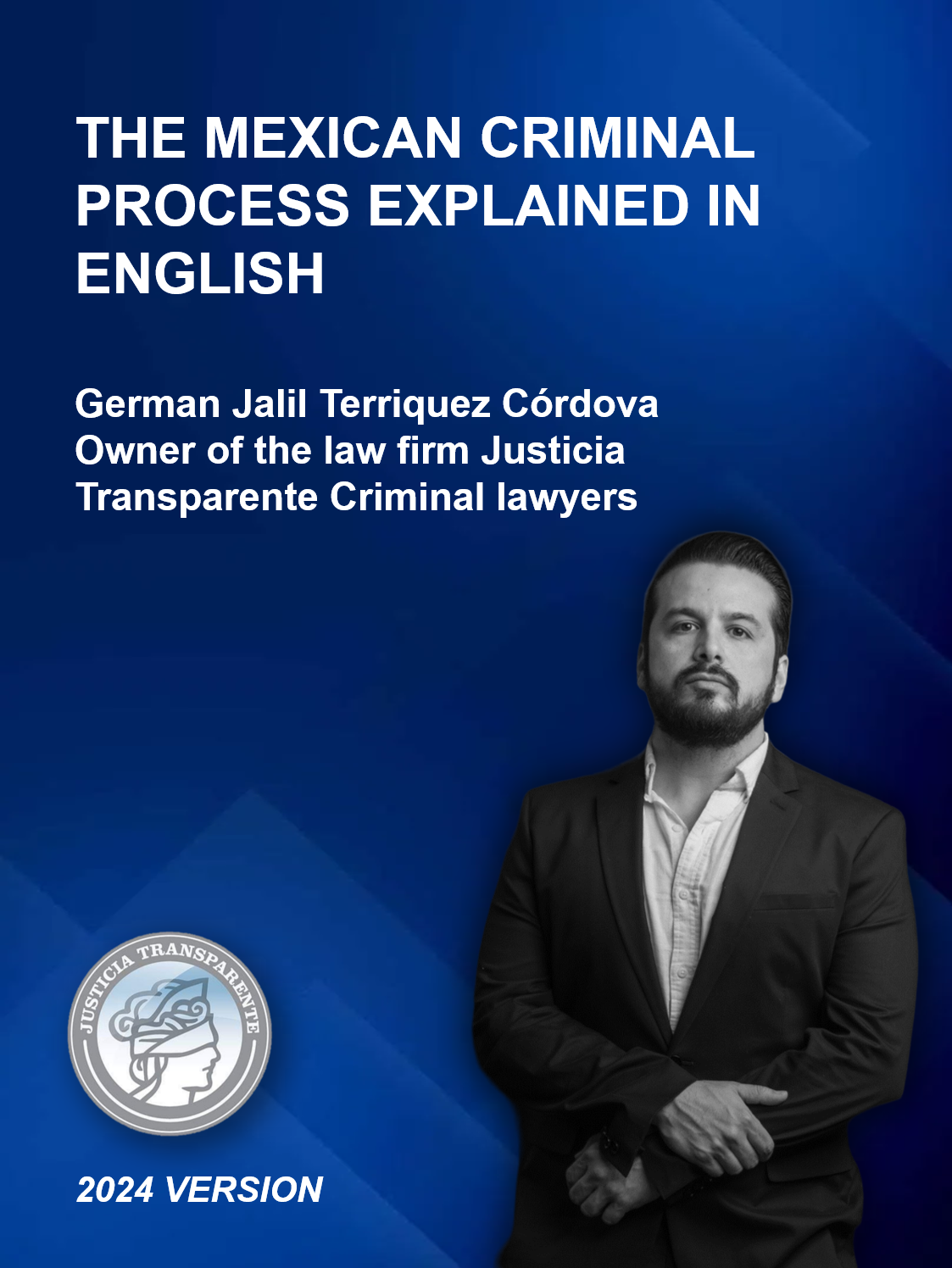
The Mexican criminal process explained in English
Facing Charges in México?.


Known as “the Transparent Attorney,” he founded Justicia Transparente, turning it into a nationally recognized firm for its results and leadership. The author of four books, he has demonstrated that in this field, experience and strategy make the difference.
Written and reviewed by Germán Jalil Terríquez Córdova, Esq. — Founder and Managing Director of Justicia Transparente. Mexican criminal defense attorney with 15 years of experience. Professional license (cédula profesional) No. 6691677 issued by Mexico’s Ministry of Education (SEP).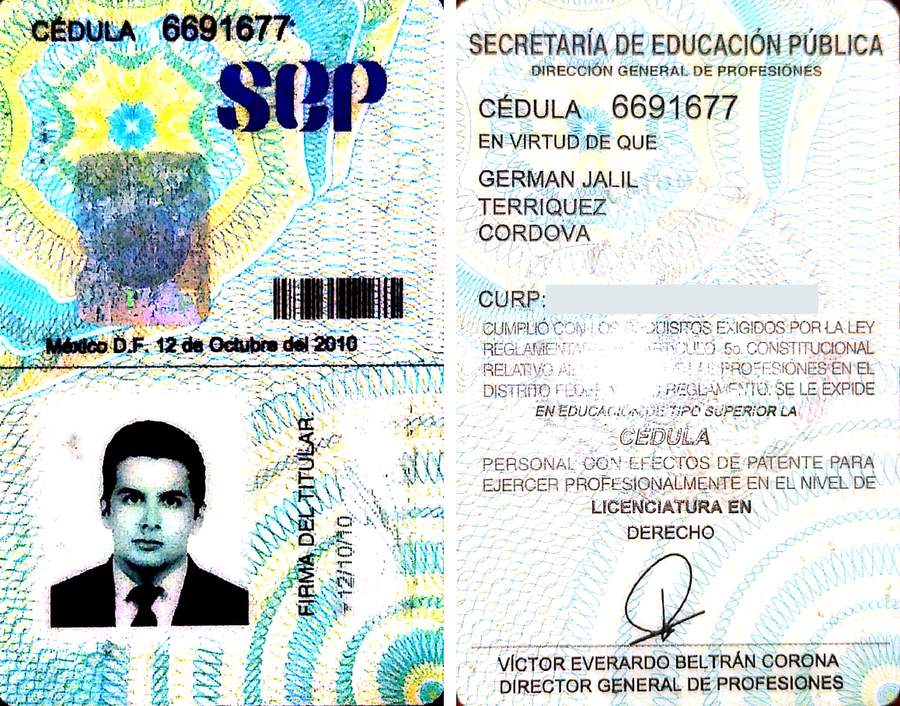
Check the attorney’s license here